
8 Overlooked Cybersecurity Risks for Course Creators
Selling online courses is exciting because you get to turn your expertise into something that helps people while generating real income.
Behind the scenes, though, you are also managing logins, payments, email tools, and student data every single day. That combination makes course creators more interesting to cybercriminals than many people expect.
The good news is that you do not need to be a security professional or build an internal IT team to stay protected.
Most cybersecurity risks for course creators are predictable, detectable, and manageable with simple habits.
This article walks through eight common threats that affect eLearning businesses and explains how to spot and reduce them using tools you likely already have.
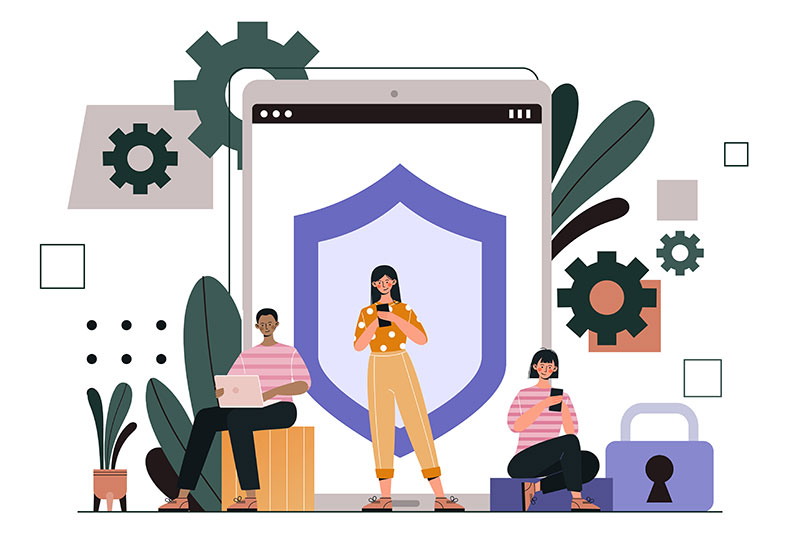
8 Cybersecurity Risks For Course Creators
Running an online course means your business never really closes, even when you log off for the day.
Your storefront stays live, your content stays accessible, and your systems stay exposed around the clock.
Cybersecurity risks for course creators look different from those faced by traditional businesses.
Your platform is always online, your product is delivered instantly, and your students expect seamless access across devices and time zones.
A single security issue can interrupt sales, delay launches, or lock you out of your own system. Even brief disruptions can damage trust if students lose access at the wrong moment.
Creators using LMS platforms like Coursify.me benefit from fast setup and flexible integrations. At the same time, every added tool, plugin, or payment connection increases the number of things that need protection.
Knowing where threats usually appear helps you focus on what actually matters.
– What is a Learning Management System (LMS)
1. Account Takeovers And Credential Abuse
Most account breaches do not start with hacking tools or targeted attacks. They start with a password that worked somewhere else first.
Account takeovers occur when attackers gain access to instructor, admin, or student accounts. Most incidents begin with reused passwords exposed in unrelated data breaches, not advanced hacking techniques.
Common warning signs include password reset emails you did not request or login alerts from unfamiliar locations. Students may also report activity they did not initiate.
Enabling multi‑factor authentication, limiting the number of admin accounts, and using unique passwords dramatically reduces this risk. These steps are low effort but highly effective.
– 5 Tips to Increase Online Courses Security
2. Payment Fraud And Chargeback Abuse
Instant delivery makes digital courses convenient for students and attractive to fraudsters. Checkout pages are often used to test stolen cards before larger purchases elsewhere.
Digital courses attract fraudsters because delivery is instant and automated. Stolen credit cards are frequently tested on course checkout pages, which can trigger chargebacks and payment processor scrutiny.
Repeated failed payment attempts or unusual refund patterns are early indicators. These often appear before a processor reaches out with concerns.
Basic fraud rules, purchase limits, and manual review of higher‑priced courses help prevent disruptions.
These safeguards protect both your revenue and your ability to continue processing payments.
– Online payments: best options for small businesses
3. Phishing Attacks Targeting Instructors And Students
If a message creates urgency around logging in or fixing an account issue, that urgency is intentional. Phishing relies on pressure more than technical sophistication.
Phishing emails often impersonate LMS alerts, support messages, or collaboration requests. One convincing email can lead to stolen credentials or compromised devices.
If users report urgent messages asking them to log in or verify information, treat it as a red flag.
Branded emails, consistent communication patterns, and brief security reminders reduce successful phishing attempts.
– 7 Tips for Writing Emails That Sell More
4. Content Piracy And Unauthorized Distribution
Course creators often discover piracy only after a student points it out. By then, copies may already be circulating outside the platform.
Course content is intellectual property, which makes it a frequent target for scraping and illegal redistribution.
Pirated versions often surface shortly after launch, especially for popular or premium programs.
Unusual spikes in video access or multiple logins from different locations may indicate content abuse.
Stream‑based delivery, access limits, and watermarking protect content without degrading the learning experience.
5. Ransomware And Platform Lockouts
For course creators, the real cost of ransomware is rarely the ransom itself. Downtime is what causes the most damage.
Ransomware attacks encrypt files or systems and demand payment for restoration. When students lose access, launches stall and support requests pile up quickly.
Missing files or sudden system lockouts are clear warning signs.
Regular backups, tested restore processes, and endpoint protection help protect your business from cyber threats while keeping your courses accessible.
6. Third Party Plugin And Integration Vulnerabilities
Every plugin solves a problem, but each one also expands your attack surface. Forgotten tools often introduce the most risk.
Plugins and integrations add valuable functionality, but they also introduce external code you do not control. Outdated or poorly maintained plugins are a common entry point for attackers.
If a plugin has not been updated recently or requests excessive permissions, it deserves review.
Removing unused tools and limiting integrations reduces exposure with minimal effort.
7. API Leaks And Overexposed Data
APIs quietly move data between systems, which makes problems harder to spot when something goes wrong. Everything can look normal while data leaks in the background.
APIs connect your LMS to email platforms, CRMs, analytics tools, and payment systems. Misconfigured APIs can expose student data or administrative access.
Unexpected data transfers or unexplained system behavior may indicate an issue.
Rotating API keys, limiting access scopes, and reviewing logs periodically help prevent silent data exposure.
– What is the importance of APIs for online businesses
8. DDoS Attacks And Course Downtime
Traffic spikes are usually a good sign, until none of it converts. That is often the first clue something is wrong.
Distributed denial‑of‑service attacks flood your site with traffic, making it unavailable to real users. Even short outages during promotions or live launches can impact revenue and credibility.
Hosting‑level protections and basic rate limiting help keep your platform online during high‑risk periods. Most modern LMS providers already support these protections.
Launch weeks magnify small security gaps, review access early
What These Risks Look Like During A Real Launch
Imagine you are in the middle of a course launch. Ads are running, emails are scheduled, and enrollments are coming in steadily.
You notice a few failed payments but assume it is normal traffic. Later, you receive an admin login alert from a location you do not recognize. Shortly after, a student reports seeing content they did not purchase.
Individually, each signal feels manageable. Together, they tell a story. Payment fraud testing, credential abuse, and content misuse often happen at the same time during high‑visibility moments.
– How to launch an online course
Security Foundations Most Course Creators Already Have
Many creators assume they are starting from zero with security. In reality, modern LMS platforms provide more protection than expected.
The Coursify.me platform notably includes secure hosting, role‑based access controls, and infrastructure‑level protections. These features handle many baseline risks automatically.
Your role is not to replace these systems. It is to understand what is already covered and where simple oversight adds value.
Simple Detection Habits That Make A Difference
Course creators do not need enterprise security tools to improve visibility. Consistent review habits often surface issues early.
A short weekly check can include:
- Admin and instructor login activity
- Failed payments and refund trends
- Plugin and integration update status
A monthly review might also include checking backups and reviewing API access. These routines take minutes but compound into meaningful protection.
These small adjustments compound over time, creating resilience that supports growth, protects revenue, reassures students, and gives course creators confidence to experiment, launch faster, and scale without constant anxiety or unnecessary stress.
When To Pause And Double Check Your Setup
Certain moments naturally increase risk, even if nothing feels wrong. These are the points where a quick review can prevent avoidable issues.
Pay extra attention during:
- Major course launches or live promotions
- Adding new payment methods or checkout tools
- Granting admin access to contractors or collaborators
- Installing new plugins or marketing integrations
These changes increase visibility and expand access at the same time. Taking ten minutes to review logins, permissions, and payment activity helps catch problems early.
– Quick Guide to Online Payment Systems
Protecting Your Courses And Students Long Term
Cybersecurity risks for course creators grow as your audience and revenue expand. What works for a small launch may not be enough once traffic becomes consistent.
Many creators reach a point where monitoring and incident response support provide peace of mind. Knowing someone is watching the systems allows you to focus on content and community.
Cybersecurity risks for course creators are ongoing, not one‑time problems. As your course library grows and your marketing stack evolves, regular reviews help keep your platform stable and trustworthy.
If you are building on Coursify.me, investing time in security awareness protects both your students and your reputation.
Reaching out through a service or contact page to discuss monitoring or incident response options can help you scale with confidence.
Your courses deserve the same care behind the scenes as they do inside the lessons.
In compliance with all data protection laws and requirements, Coursify.me is a secure, dynamic and customizable Learning Management System.
Serving companies and professionals in more than 60 countries, it is the ideal solution for those who want to create, promote and sell courses on the internet.
– Step by Step to Create Online Courses
It is important to note that Coursify.me hosts every online course with redundancy and backup so you have a safe and reliable environment.
To learn more, visit our website, test the platform and understand why we are the best option for course creators.